

Introduction
Intermodal containers, often referred to as shipping containers, have revolutionized global trade and logistics. In South Africa, they are widely used for shipping, storage, housing, and innovative architectural projects. Understanding the price of intermodal containers is essential for businesses, entrepreneurs, and individuals considering purchase, rental, or conversion. This comprehensive guide examines the factors influencing intermodal container prices in South Africa, market trends, buying versus leasing, and practical tips for making the right investment.
Section 1: What Are Intermodal Containers?
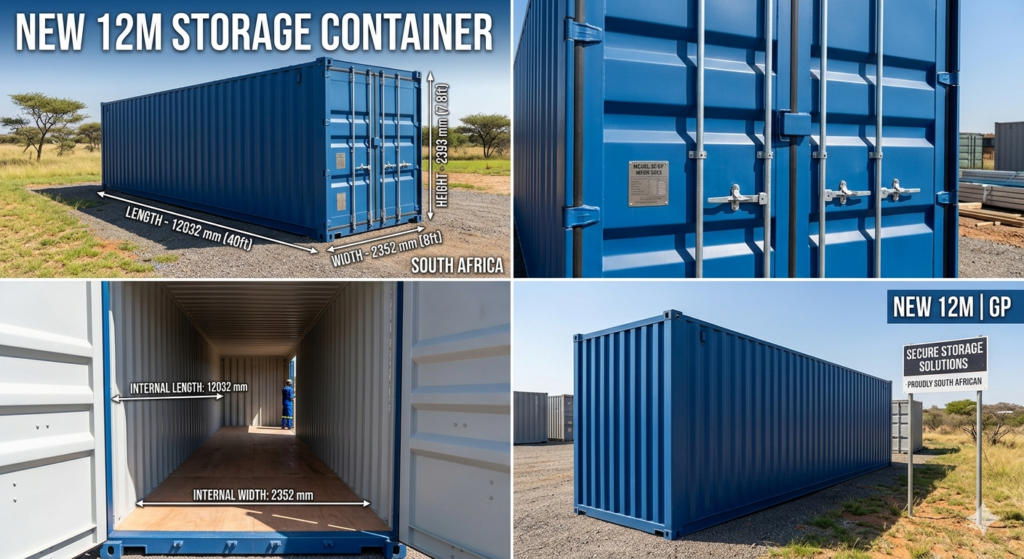
Intermodal containers are standardized steel boxes designed for seamless transportation across different modes—ship, rail, and road—without unloading the cargo. The most common sizes are 20ft and 40ft, but variants such as high cube, open top, refrigerated, and flat rack also exist. Their versatility and durability have made them an essential asset in South African logistics and beyond.
Section 2: Key Factors Affecting Container Prices
2.1 New vs. Used Containers
- New (One-Trip) Containers: These are manufactured overseas (often in China), shipped to South Africa with cargo, and then sold as nearly new. They are more expensive but offer pristine condition.
- Used Containers: Previously employed for international shipping, they vary in age, condition, and price. Some may have minor dents, rust, or repairs.
2.2 Size and Type
- 20ft vs. 40ft: 40ft containers generally cost more due to their larger size and higher material cost.
- Special Types: High cube, refrigerated (reefer), open top, and side-opening containers command premium prices due to specialized features.
2.3 Condition and Grade
Containers are graded (A, B, C, or Cargo Worthy/Wind & Watertight) based on structural integrity and appearance. Higher grades fetch higher prices.
2.4 Market Demand and Supply
Global shipping disruptions, exchange rates, and local demand in South Africa can cause container prices to fluctuate. Periods of high demand or limited supply (e.g., during global trade surges) push prices up.
2.5 Location and Delivery Costs
Containers located at major ports like Durban, Cape Town, or Johannesburg are usually more affordable due to reduced inland transport costs. Delivery to remote areas increases the total price.
Section 3: Typical Price Ranges in South Africa (2024–2026)
- 20ft Used Container: R25,000 – R45,000
- 20ft New/One-Trip Container: R50,000 – R70,000
- 40ft Used Container: R35,000 – R60,000
- 40ft New/One-Trip Container: R70,000 – R120,000
- High Cube, Reefer, Open Top, or Side-Opening: Add 20–50% premium
Note: These prices are approximate and subject to change based on market conditions, exchange rates, and supplier.
Section 4: Buying vs. Renting Intermodal Containers
4.1 Buying Benefits
- Full ownership and control
- Long-term cost savings
- Customization for storage or conversion projects
4.2 Renting/Leasing Advantages
- Lower upfront costs
- Flexibility for short-term projects
- Maintenance often included by rental company
4.3 Rental Price Ranges
- 20ft Container: R500 – R1,200 per month
- 40ft Container: R900 – R1,800 per month
Section 5: Where to Buy or Rent Containers in South Africa
- Major Suppliers: Durban, Cape Town, Port Elizabeth, Johannesburg
- Online Marketplaces: OLX, Gumtree, Autotrader
- Specialist Dealers: Container sales and conversion specialists
Always verify the seller’s reputation and inspect containers before purchase.
Section 6: Inspection and Quality Checks
- Check for structural integrity (no holes, severe rust, or warping)
- Inspect doors, locking mechanisms, and seals
- Confirm valid CSC (Container Safety Convention) plate for shipping
- For conversion, check for hazardous materials or contamination
Section 7: Additional Costs to Consider
- Delivery/Transport: Varies by distance and accessibility
- Modification/Conversion: Costs for insulation, doors, windows, electrical, plumbing
- Permit and Compliance: Municipal approval for conversion projects
- Insurance: Protects against theft, damage, or loss
Section 8: Market Trends and Price Fluctuations (2024–2026)
- Post-Pandemic Recovery: Global supply chain normalization has stabilized prices, but periodic shortages still occur
- Currency Volatility: The Rand’s exchange rate against the US Dollar impacts import costs
- Local Demand: Increased use in construction and housing boosts demand for quality containers
- Sustainability Movement: Growing interest in container conversions for eco-friendly housing and businesses
Section 9: Case Studies
Case Study 1: A Start-Up’s Storage Solution
A Cape Town e-commerce company purchased two used 20ft containers for warehouse overflow, saving on rent and improving security. The total investment, including delivery and minor repairs, was recovered in under two years through reduced third-party storage costs.
Case Study 2: Container Housing Project
A Johannesburg developer sourced 40ft high cube containers for a student housing project. By negotiating bulk prices and using local transport, they reduced per-unit costs by 15%, demonstrating the value of bulk purchase and local supplier relationships.
Case Study 3: Seasonal Rental for Agriculture
A citrus farm in Limpopo rents 40ft containers during harvest season for on-site cold storage. Renting allowed flexibility, avoided high capital outlay, and included maintenance.
Section 10: Tips for Getting the Best Price
- Compare multiple suppliers and request quotes
- Consider off-peak purchasing when demand is lower
- Inspect containers personally or hire a professional
- Factor in all ancillary costs (delivery, permits, modifications)
- Negotiate on price, especially for bulk orders
- Buy from reputable, established suppliers
Section 11: Frequently Asked Questions (FAQs)
Q: Can I buy a container directly from a shipping line?
A: Sometimes, but most shipping lines sell decommissioned containers through agents or dealers.
Q: Are prices negotiable?
A: Yes, especially for bulk orders or repeat customers.
Q: What’s the difference between a cargo-worthy and wind & watertight container?
A: Cargo-worthy containers meet international shipping standards; wind & watertight are suitable for storage but may not meet shipping requirements.
Q: Does container color affect price?
A: Not significantly, unless a specific color is custom-ordered.
Q: How long do containers last?
A: With proper maintenance, 20–30 years for storage, less for active shipping.
Section 12: Environmental and Social Impact
- Container reuse reduces steel waste and environmental impact
- Supports innovative affordable housing, classrooms, clinics, and retail in South Africa
- Encourages local job creation in modification, transport, and installation
Section 13: Conclusion
Intermodal containers are a vital asset in South African logistics, business, and construction. Their prices are influenced by global and local factors, container type, condition, and market trends. By understanding these variables, comparing suppliers, and evaluating true total costs, buyers and renters can secure the best deals for their needs. Whether you’re shipping goods, expanding storage, or building a container home, a well-informed approach ensures maximum value from your investment.
intermodal container price South Africa, shipping container cost, buy shipping container, rent container South Africa, 20ft container price, 40ft container cost, container sales South Africa, container conversion price, storage container South Africa, container rental
For the latest container prices or to request a quote, contact local suppliers, freight forwarders, or container conversion specialists in your area.